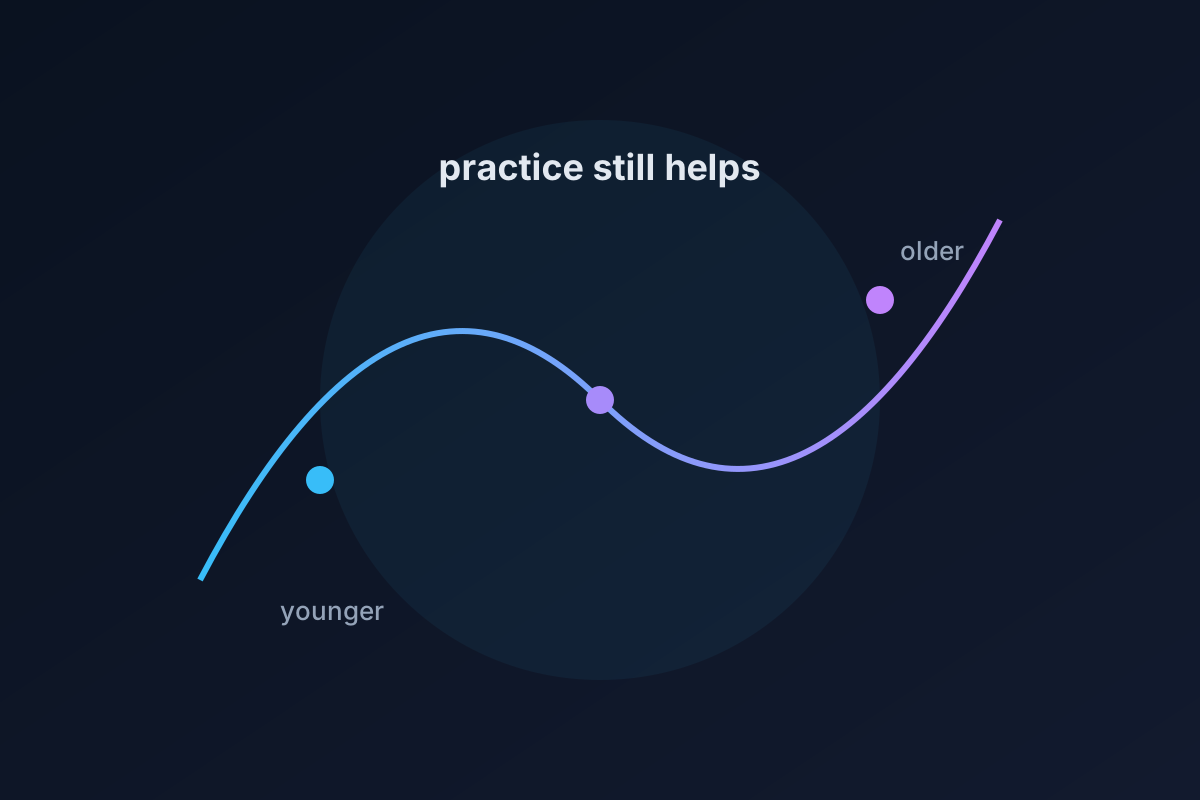
Reaction speed is not fixed at birth, but it does change as we grow. Kids are still building nerves and focus. Adults are often steady in their twenties and thirties. Older adults may be a bit slower on average. The key word is average. Healthy people of any age can practice and improve.
Kids and teens
Young players can be quick because they play many games. They can also be impulsive and click early. Teach the wait-for-green rule before you praise speed. Sleep and school stress affect kids a lot. A tired ten-year-old is not a "slow" kid forever.
Adults
Many adults score between about 200 and 280 ms on home tests when rested. Jobs with coffee breaks and screen time change focus. Office workers benefit from short stretch breaks before testing.
Older adults
Some slowing is normal with age. Vision changes can add delay. That does not mean games are off limits. Gentle practice, good lighting, and larger screen text help. Compare to your own past scores, not to a teenager on social media.
Practice still works
Studies on training show people can shave milliseconds with repeat drills. Gains are smaller at eighty than at eighteen, but effort still matters. Play for joy and brain activity, not only rank.
Health comes first
Eye exams matter if colors look dull. New glasses can help reaction feel crisp. Talk to a doctor about dizziness or nerve issues. This website is for fun learning, not medical tests.
Family-friendly challenges
Grandparent vs grandchild? Use medians, same game rules, lots of laughter. Celebrate improvement, not only winning. Share scores with our share button if everyone agrees.
Teens and growth spurts
Teens change sleep and hormones fast. A score from last month might not match today. That is normal. Keep testing for fun, not for stress.
Adults with desk jobs
Wrists and eyes get tired from typing. Stretch before a test. A thirty-year-old well rested can beat a tired teen on the same laptop. Age is not destiny.
Playing with grandparents
Choose large text, good light, and patience. Laugh at early clicks together. Median scores can still improve with practice at any age.
Sports and hobbies
Tennis, driving, and cooking all use reaction in real life. Games are practice for focus, not proof of driving skill. Stay safe on real roads regardless of ms.
Respect and kindness online
Do not mock slower scores. You do not know someone's age, health, or device. Kind comments keep games fun for everyone.
Vision checks matter at every age
Kids should not stare at screens all day. Adults need eye exams if road signs look blurry. Older players may need more light on the screen. Clear vision helps honest reaction scores.
Hearing and audio reaction
Hearing can change over time. Audio reaction tests use beeps. If one ear is weaker, use headphones and balance volume. Compare audio scores only on the same setup.
Sleep by age group
Young kids need more hours. Teens often sleep too late. Adults juggle work. Better sleep often beats age gaps in home tests. Track sleep hours next to your median for a week and see the link.
Community and clubs
Clubs for chess, esports, or martial arts build focus at any age. Reaction games online are one slice of that. Join real groups if you want social skill growth.
Avoid age stereotypes
A sixty-year-old gamer can beat a twenty-year-old on a fair test. A child can click early and look slow. Treat each person as an individual. Medians and rules matter more than birthdays.
Birthday posts online
When someone shares a score on a birthday, cheer for them. Do not say they are slow for their age. Kind words keep reflex communities friendly.
Practice length by age
Young kids: five minutes of play. Teens: ten with breaks. Adults: ten to fifteen if comfortable. Stop when eyes hurt. More time is not always better.
Quick recap
Ages change averages, not your right to play. Kids need patience rules. Adults need breaks from desks. Older players need light and vision care. Practice helps at many ages. Compare yourself to yourself. Be kind online. Log monthly medians with sleep notes.
One last tip
Birthday parties can run a five-round tournament with the same rules for every age. Everyone can cheer for honest tries. Hand out small prizes for most improved median, not only the fastest adult. Everyone leaves happy.
Keep your own timeline
Log monthly medians in a notebook. Age is one line on the chart. Sleep and practice are bigger lines you control today.